What to do after you sell a car in New York City
Once the car has left, four things still carry your name: the plates, the insurance, the E-ZPass account and the Department of Finance record tied to the plate. In New York State the plates and the windshield sticker come off before the sale, so the work now is to surrender or transfer them, cancel the insurance only after that, pick up the registration refund if one is due, remove the car from your E-ZPass account, and keep the FS-6T receipt and the bill of sale where you can find them. Each step below quotes the agency page it rests on.
Sources re-checked .
Short answer
Surrender or transfer the plates first and keep the FS-6T receipt; the DMV says insurance is canceled only after that. Claim the registration refund or credit, or file form MV-215 when it is not automatic. Remove the car from your E-ZPass account, and dispute any ticket dated after the sale with the FS-6T and the bill of sale.
NY DMV: Surrender your vehicle plates and registration; NYC Department of Finance: Common reasons for disputing a ticket
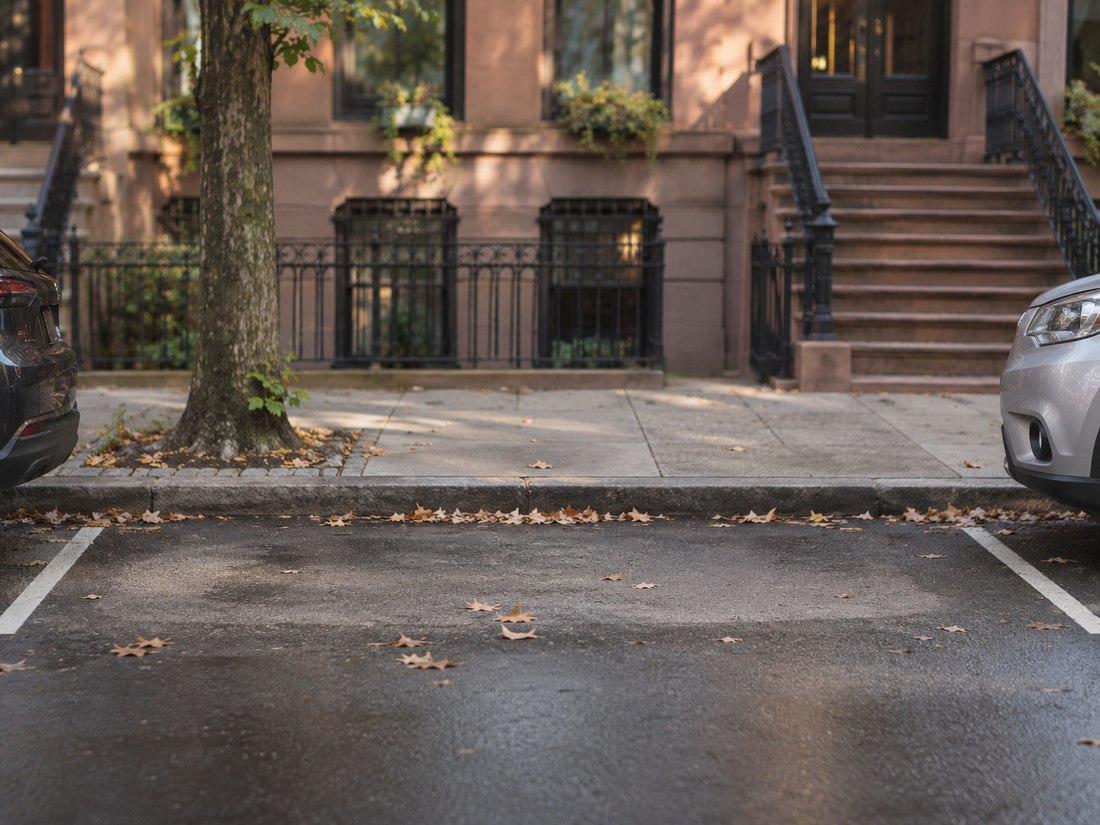
The plates and sticker are off; now get the FS-6T receipt
In New York State the plates come off the car when you sell it. The New York DMV's insurance-lapse page tells a seller to remove the plates and the windshield registration sticker to prevent a problem, and gives the next step in one line: "Surrender the vehicle plates to the DMV or immediately transfer them to another vehicle."
Surrender at a DMV office or by mail with form PD-7; the mail route, the borough offices and the DMV's note on the $1 county fee are on plate surrender. What matters here is the receipt. For a mailed surrender the postmark is the surrender date, and the DMV asks you to allow 21 days for the receipt, form FS-6T, mailed to the address on the registration with any refund check, so fix the address first.
Keep that receipt. The Thruway Authority, the Department of Finance and the DMV's refund form each read it below.
Source: NY DMV: Surrender your vehicle plates and registration; NY DMV: Insurance lapses; NY DMV: form PD-7, plate surrender application.
Cancel the insurance only after the surrender
The order matters more than the timing. The DMV's surrender page opens with the rule that the plates and registration are surrendered before the vehicle's liability coverage is cancelled. Skip it and the DMV says it will suspend the registration and can suspend your driver license.
Any time a vehicle is registered but not insured is a lapse, and the DMV says it can run from the day the insurance is canceled to the day you surrender the plates. The civil penalty, as of the DMV's penalty page on November 7, 2026, starts at $8 per day and rises by tier to $12 per day, and past 90 days no payment is offered at all, only a registration suspension and a license suspension for the same number of days. The full schedule, the 36-month rule and the termination fee are on plate surrender.
So: plates surrendered or transferred, the surrender date in hand (the postmark for a mailed PD-7), then the insurer, with a cancellation date on or after it, confirmed in writing.
Source: NY DMV: Surrender your vehicle plates and registration; NY DMV: Insurance lapses; NY DMV: Pay an insurance lapse civil penalty.
The registration refund, and when form MV-215 comes in
Most New York passenger registrations run two years, and the DMV refunds part of the fee when the plates come back early. Its chart, as of the refunds page on November 7, 2026: within 60 days of the issue date, the full fee minus $1 for processing, but only with an unused sticker, surrendered with the plates and the stub. In the first year, 50% of the fee minus $1. In the second year, nothing. One-year registrations (motorcycles, trailers, snowmobiles) get no refund, and no other fee or tax paid at registration is refunded. The alternative is a transfer credit: the remaining time moves to a new original registration, which expires on the old date, and the DMV says it cannot be used for a renewal.
Surrender at a DMV office and the refund request is handled there; the MV-215 says the FS-6T from the office shows whether you requested one. Form MV-215, Request for Refund, is for the cases that are not automatic: you told staff you would use the registration again and will not (apply within 14 months of the issue date), you paid twice or the wrong fee, or the registrant has died. The DMV also takes these online. The MV-215 says the DMV needs a minimum of 90 days, and that a sales tax refund goes on form DTF-806 to the Department of Taxation and Finance instead.
Source: NY DMV: Refunds and transfer credits for surrendered plates; NY DMV: form MV-215, Request for Refund (PDF).
E-ZPass and Tolls by Mail: take the car off the account
A toll with no readable E-ZPass tag is billed to the plate. The Thruway Authority's cashless-tolling page names four tolling authorities in New York State, the Thruway Authority, the MTA, the Port Authority of NY/NJ and the New York State Bridge Authority, each with its own Tolls by Mail and E-ZPass policies, and says tags are assigned by ZIP code: an account opened with a five-borough or Long Island ZIP code gets an MTA tag administered by the MTA. On the Thruway's description, cameras read the plate at the gantry and the bill goes to the registered owner on DMV records, 30 to 45 days after the trip. The MTA's own rules are on mta.info.
Your plate leaves with you, so a plate-billed trip after the sale reaches you only if the car still carries your plate or sticker. The tag is the real exposure: it debits your account wherever it is read, so take it out before the handover. Then update the account's plate list: a surrendered plate comes off, a plate moved to your next car stays on. The Thruway Authority's advice: "Keep your E-ZPass account up to date with your current address, license plate(s) and payment information to avoid receiving toll bills." Manage it at e-zpassny.com or in the Tolls NY app.
If a bill still arrives, the Thruway Authority lists the fix among its dispute reasons: "You sold your vehicle, you will need to submit a copy of the proof of sale along with the coupon from the Toll Bill, such as a copy of the sales agreement." A copy of the plate surrender receipt with the coupon works the same way. On the Thruway's own schedule, as of November 7, 2026, an unpaid bill draws a second bill with a $5 late fee, then a violation notice with a $50 fee; tolls from another authority escalate under that authority's own fee policy.
Source: Thruway Authority: What is cashless tolling; Thruway Authority: About E-ZPass; Thruway Authority: About Tolls by Mail; E-ZPass New York; MTA.
A parking or camera ticket dated after the sale
A New York City parking ticket or camera violation is also mailed to the registrant's home address on DMV records, so a ticket written a week after the handover can still land on you. The Department of Finance's list of common defenses treats a transfer as a complete answer: sell, gift or otherwise transfer the vehicle before the ticket is issued and you have, in the Department's phrase, a complete defense. Its evidence list names DMV plate transfer or surrender documentation, canceled or transferred insurance documentation, or proof the vehicle was registered to someone else. The FS-6T is the first kind; the bill of sale shows the date.
Request a hearing within 30 days of the ticket date to avoid late penalties, online, by mail or in the Pay or Dispute app. With no payment and no hearing request, the Department says a parking ticket goes into judgment about 100 days after issue and a camera violation after about 75, and it will not hear a judgment ticket more than a year old. It also tells sellers to remove the registration sticker when the car changes hands.
Tickets from before the sale are a different problem: judgment debt and the boot-and-tow threshold are on parking tickets.
Source: NYC Department of Finance: Dispute a ticket; NYC Department of Finance: Common reasons for disputing a ticket; NYC Department of Finance: Dispute a ticket FAQs.
What to keep, and the DMV letter that may still arrive
Four papers answer every question above. The bill of sale, form MV-912: the DMV says buyer and seller can make photocopies to keep, while the original goes to the DMV with the buyer's registration. Your copy of the DTF-802 Statement of Transaction, if you completed it; the DMV says the seller or donor must complete Section 6 on page 2 when the vehicle is a gift or sold below fair market value to anyone other than a spouse, parent, child, stepparent or stepchild. The FS-6T. And the insurer's written cancellation date. None of the pages cited here says how long to keep them; the windows they do set are the Department of Finance's one year on a judgment ticket and the MV-215's 14 months.
One letter can still come after a clean sale. If the insurer reports the cancellation before the surrender posts, the DMV may send an insurance-lapse letter. Its page for sold vehicles says to bring the letter and proof of the sale to a local DMV office, or mail the proofs with the bottom part of the letter to the Financial Security Bureau. The proof must show the date of sale, the names and addresses of seller and buyer, and the year, make and VIN. The DMV's list of what an acceptable bill of sale includes stops at year and make, VIN, date, price and the signatures, so write both addresses on it when you sell. The other seller documents are on paperwork.
Source: NY DMV: Buy, sell, or transfer vehicle ownership; NY DMV: Insurance lapses; NY DMV: form MV-215, Request for Refund (PDF).
Two questions sellers ask the week after
Can I cancel the insurance the day the car is picked up?
Not in the DMV's order. Its surrender page says the plates and registration are surrendered before liability coverage is canceled, and a lapse runs until the surrender date, the postmark for a mailed PD-7. Surrender or transfer the plates first, then set the cancellation on or after that date. Source: NY DMV, surrender your plates.
A toll bill came for a trip after I sold the car. What do I send?
The Thruway Authority accepts a copy of the proof of sale, or a copy of the plate surrender receipt, sent with the coupon from the bottom of the toll bill. Then remove the plate from your E-ZPass account so the next trip is not billed to you. Source: Thruway Authority, cashless tolling.
Finish the two loose ends
If the plates are still in your hands, plate surrender walks through the PD-7 and the FS-6T. If a ticket has already arrived, parking tickets covers the hearing and the judgment clock; a toll bill is answered in the E-ZPass section above. For a question about the sale itself, call (332) 456-9629.
More on selling a car in New York City
- PaperworkThe Transfer by Owner block, the MV-912 bill of sale, the DTF-802 tax form, the odometer and damage boxes, and the twelve state DMV offices in the five boroughs.
- Plates & insuranceWhy the plates come off before a New York City sale, how to surrender them by mail or at a borough DMV office, the FS-6T receipt, and the per-day penalty if the insurance ends first.
- InspectionWhether a New York City seller needs an inspection before a sale (no), the buyer's 10-day extension, the OBD II test and fees in the five boroughs, and selling a car that failed.
- Title problemsA lost New York title, a lender on it, a late parent's car, mismatched names or no proof at all: the DMV form and fee for each, and what the buyer accepts.
- Any conditionSelling a New York City car that will not start, was flooded or lost its catalytic converter: what the buyer takes, who pays the tow, and the title disclosure the DMV requires.
- Junk carWhat to do with a junk car in New York City: the partner buyer's free pickup, a DMV-licensed dismantler and form MV-907A, or a 311 derelict report, with plates off first.